
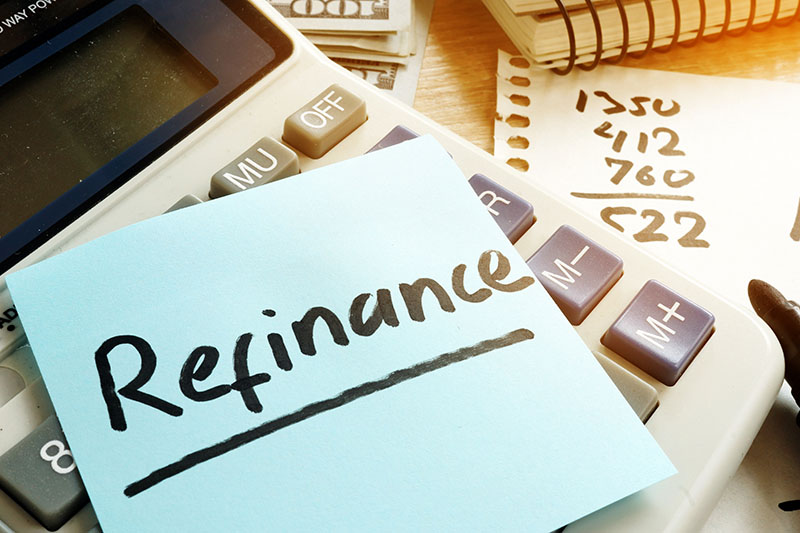
A mortgage refinance replaces an existing mortgage with a new loan under different terms. Refinancing may change your monthly payments and overall loan costs. It’s important to carefully evaluate your options to determine if refinancing is right for you.
Know Your Refinance Options
Understanding current mortgage refinance rates is essential. Shield Home Loans Inc. can provide information to help you make an informed decision.
Reasons to Consider a Mortgage Refinance:
- Adjust Your Monthly Mortgage Payment: Depending on your loan terms and market conditions, refinancing may lower your monthly payments. However, refinancing may result in higher total finance charges over the life of the loan.
- Consolidate High-Interest Debt: Refinancing could allow you to pay off higher-interest debts with a new loan. Keep in mind that extending repayment terms may increase the total cost of borrowing.
- Pay Off Your Mortgage Faster: Shortening your loan term may help you pay off your mortgage sooner and reduce interest paid over time. However, this could also result in higher monthly payments.
When to Refinance Your Mortgage
Shield Home Loans Inc. offers information on various mortgage refinancing options. If you’re considering refinancing, contact us to explore your options and determine what best fits your financial goals.
Get started today!
Fill out the questionnaire on this page to start a discussion about your mortgage needs today!
Frequently Asked Questions
What does it mean to refinance a home loan?
Refinancing means replacing your existing mortgage with a new one—usually to change the loan’s term, type, or interest rate. Homeowners often refinance to lower monthly payments, pay off their loan faster, or access equity through a cash-out refinance.
What are the different types of refinance options?
Common refinance options include rate-and-term refinancing, which changes your loan’s rate or length, and cash-out refinancing, which allows you to borrow against your home’s equity and receive cash at closing.
When is it a good time to refinance?
Homeowners typically consider refinancing when they want to adjust their loan term, switch from an adjustable-rate to a fixed-rate mortgage, consolidate debt, or use home equity for improvements. Timing depends on personal goals and market conditions.
Does refinancing reset your mortgage term?
It can. When you refinance, you start a new loan term—often 15 or 30 years. However, you can choose a shorter term to help pay off the loan sooner and potentially save on long-term interest.
Are there costs associated with refinancing?
Yes. Refinancing typically involves closing costs, which may include appraisal fees, title insurance, and lender fees. Some lenders offer no-closing-cost refinance options, where costs are rolled into the loan amount or interest rate.